At sunrise, a wooden boat drifts slowly along the Ganges while smoke rises from the stone steps of Manikarnika Ghat. On one bank, a priest completes a cremation ritual. On another, a young man pours water toward the sun. And on the ghats in between, dozens of people bathe, pray, and move through the morning as they have for centuries. This is Varanasi — unfiltered, ancient, and unlike anywhere else. For travelers who make it here, the city quickly becomes difficult to leave. The narrow alleys, the sudden burst of devotional music, the smell of incense from temple entrances — all of it layers into something dense and real. Here is a practical guide to the places to visit in Varanasi that actually reward your time, whether you have a single day or a full week.
The Ghats: Where Varanasi Comes Alive
Varanasi has just under 100 ghats lining the western bank of the Ganges, and the easiest way to see them is by boat — ideally at dawn, when the light is flat and the crowd is still thin. Each ghat carries its own history, its own rhythm.
Dashashwamedh Ghat
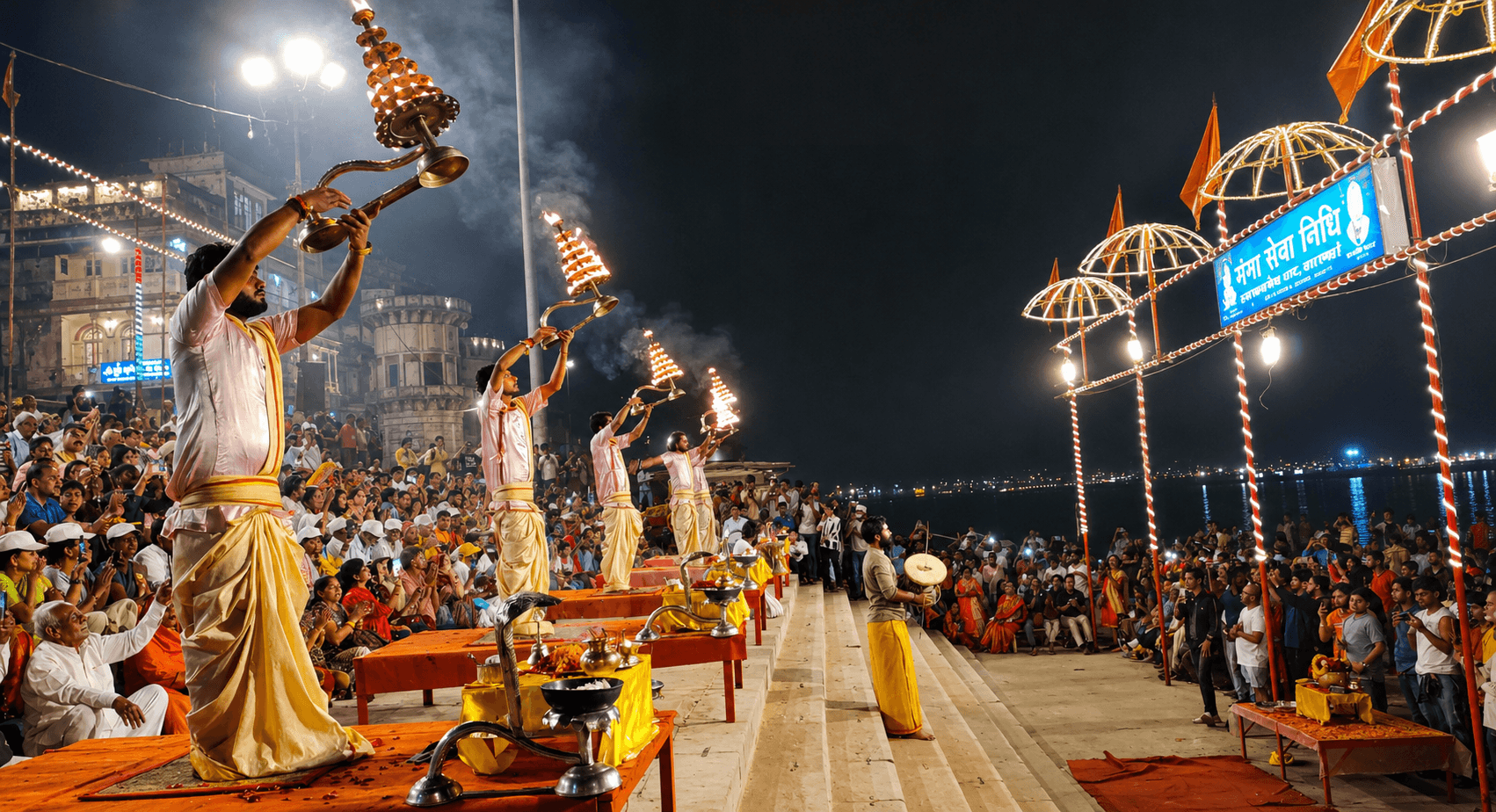
This is the most famous of all the tourist places in Varanasi, and for good reason. Every evening at around 7:00 PM in summer and 6:00 PM in winter, priests perform the Ganga Aarti here — a synchronized ceremony with brass lamps, incense, and chanting that draws hundreds of devotees and visitors. Arrive by 6:30 PM to find a good viewing spot on the steps or hire a boat for an unobstructed view from the water.
Manikarnika Ghat
The cremation ghat. Hindus believe that dying and being cremated here grants moksha — liberation from the cycle of rebirth. Smoke rises day and night. It is confronting for many visitors but also profoundly honest. Photographers are asked not to point cameras here; that boundary deserves respect
Assi Ghat
At the southern end of the ghat stretch, Assi is calmer and less crowded than Dashashwamedh. The Subah-e-Banaras program here — featuring morning music and yoga — starts around 5:30 AM and runs until sunrise. It draws a mix of locals, students from Banaras Hindu University nearby, and travelers who prefer a quieter start to their day.
Kashi Vishwanath Temple: The Spiritual Center of the City
One of the twelve Jyotirlingas of Lord Shiva, the Kashi Vishwanath Temple sits inside the old city's maze of lanes. The walk to it is half the experience — narrow alleys lined with flower sellers, sweet shops, and small shrines. The temple itself is modest in size but immense in spiritual significance. Long queues form early; going before 7:00 AM or after 9:00 PM generally means shorter waits. The Kashi Vishwanath Corridor, inaugurated in 2021, has made the area more accessible with wider pathways leading from the Ganges directly to the temple
Sarnath Tourist Places: A Short Drive, A Different World
Located 10 km from Varanasi, Sarnath is where the Buddha delivered his first sermon after attaining enlightenment — setting what Buddhists call the Wheel of Dharma in motion. The contrast with Varanasi is striking. Where the city is dense and loud, Sarnath is open and quiet.
Dhamek Stupa
The cylindrical Dhamek Stupa, built on the site of that first sermon, stands 43.6 metres tall. It was constructed in 500 CE and later renovated by Emperor Ashoka. Walk around it once — the detailed stone carvings along the base, partially worn by centuries, are worth examining closely The Archaeological Museum at Sarnath houses the original Ashoka Pillar capital — the lion sculpture that became India's national emblem. Entry is modest, and the collection is small enough to move through in an hour without feeling rushed. Autorickshaws from Varanasi Junction area typically charge around ₹300–400 for the return trip
Places to Visit in Varanasi in 1 Day: A Practical Route
If you only have one day, structure it around movement rather than checklists. The city rewards those who slow down.
5:30 AM — Sunrise boat ride from Dashashwamedh Ghat (60–90 minutes covers most of the ghat stretch)
7:30 AM — Walk toward Kashi Vishwanath Temple through Vishwanath Gali
10:00 AM — Auto to Sarnath; visit Dhamek Stupa and the Archaeological Museum
1:00 PM — Return to Varanasi; lunch near the ghats — local thalis and Banarasi paan are the things to try
6:30 PM — Back to Dashashwamedh Ghat for the evening Ganga Aarti
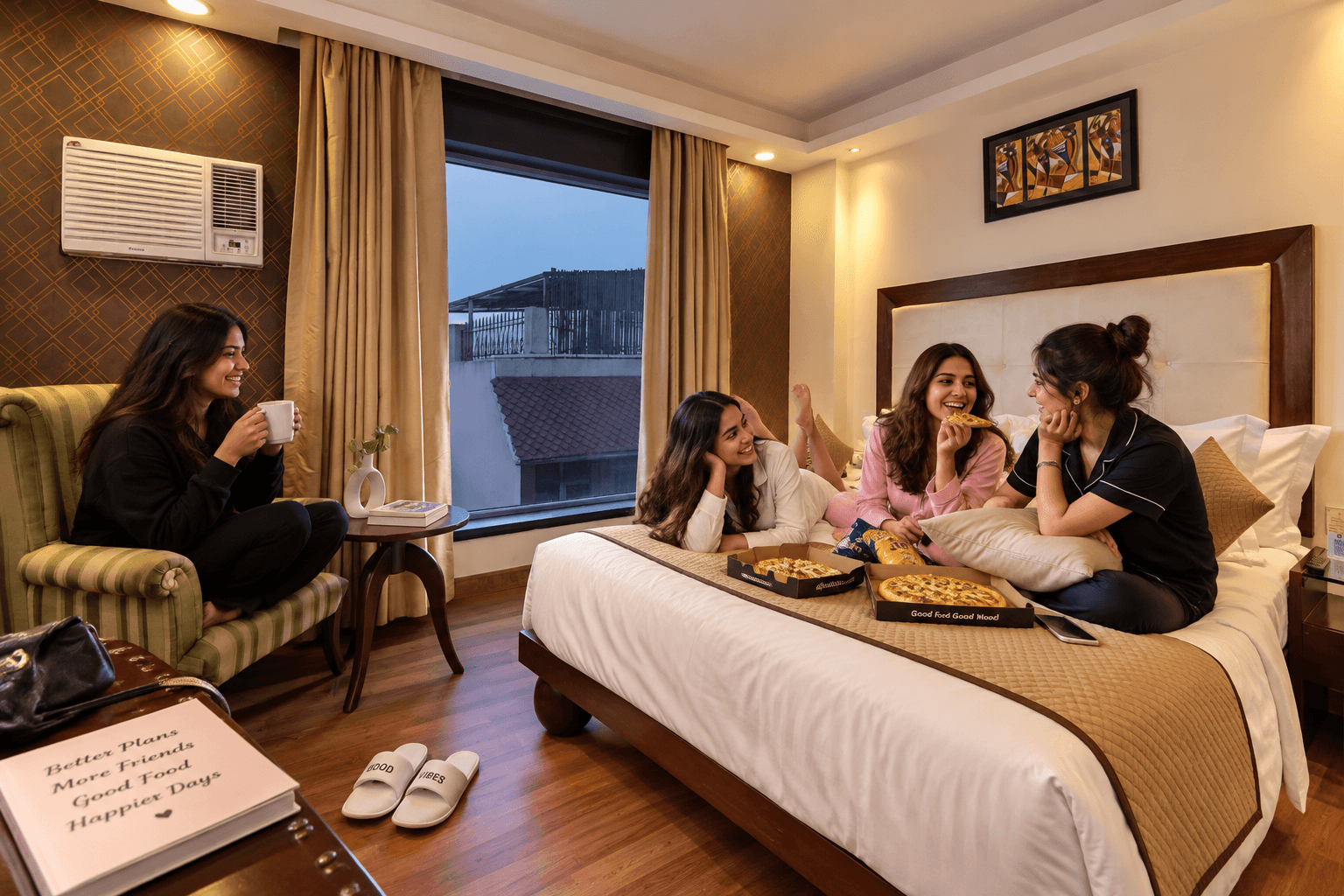
Travelers staying close to the railway station find this circuit far easier to manage. asar Varanasi Junction by Orion Hotels is 1.9 km from Varanasi Junction and about 5 minutes by auto to Dashashwamedh Ghat — a practical base for exactly this kind of day.
Best Time to Visit Varanasi
October to March is consistently the best time to visit Varanasi. Mornings are cool enough for long ghat walks, evenings settle into a comfortable chill, and the famous festivals — Diwali, Dev Deepawali, and Maha Shivaratri — fall within this window. Dev Deepawali in November transforms the ghats into an extraordinary display of lakhs of diyas lit along the river steps Varanasi in summer (April to June) is harsh — temperatures cross 42°C regularly. The monsoon months bring humidity and some flooding near the lower ghats, though the river's swollen look carries its own drama. If visiting outside October–March, plan outdoor activities before 9:00 AM.