Walk out of Green Park Metro Station through Gate 1 early in the morning and you land in Yusuf Sarai Market, where shutters are still going up and the tea stalls are already busy. Ten minutes in the other direction, the lanes of W Block and Arjun Nagar stay quiet, broken only by joggers heading toward Deer Park with their earphones in. That mix of calm residential streets and a working market is the first thing you notice here. The second thing is how much history and green space sits within a short ride of it.
Green Park is not a tourist district in the usual sense, and that's exactly why it works as a base. Hospitals, offices and old South Delhi families fill the area, but a 14th-century fort, a Mughal garden tomb and a 60-acre park with wild peacocks are all close enough to reach before lunch. Here is how to spend a few days around it, in roughly the order a local would suggest.
DEER PARK: START HERE, EARLY
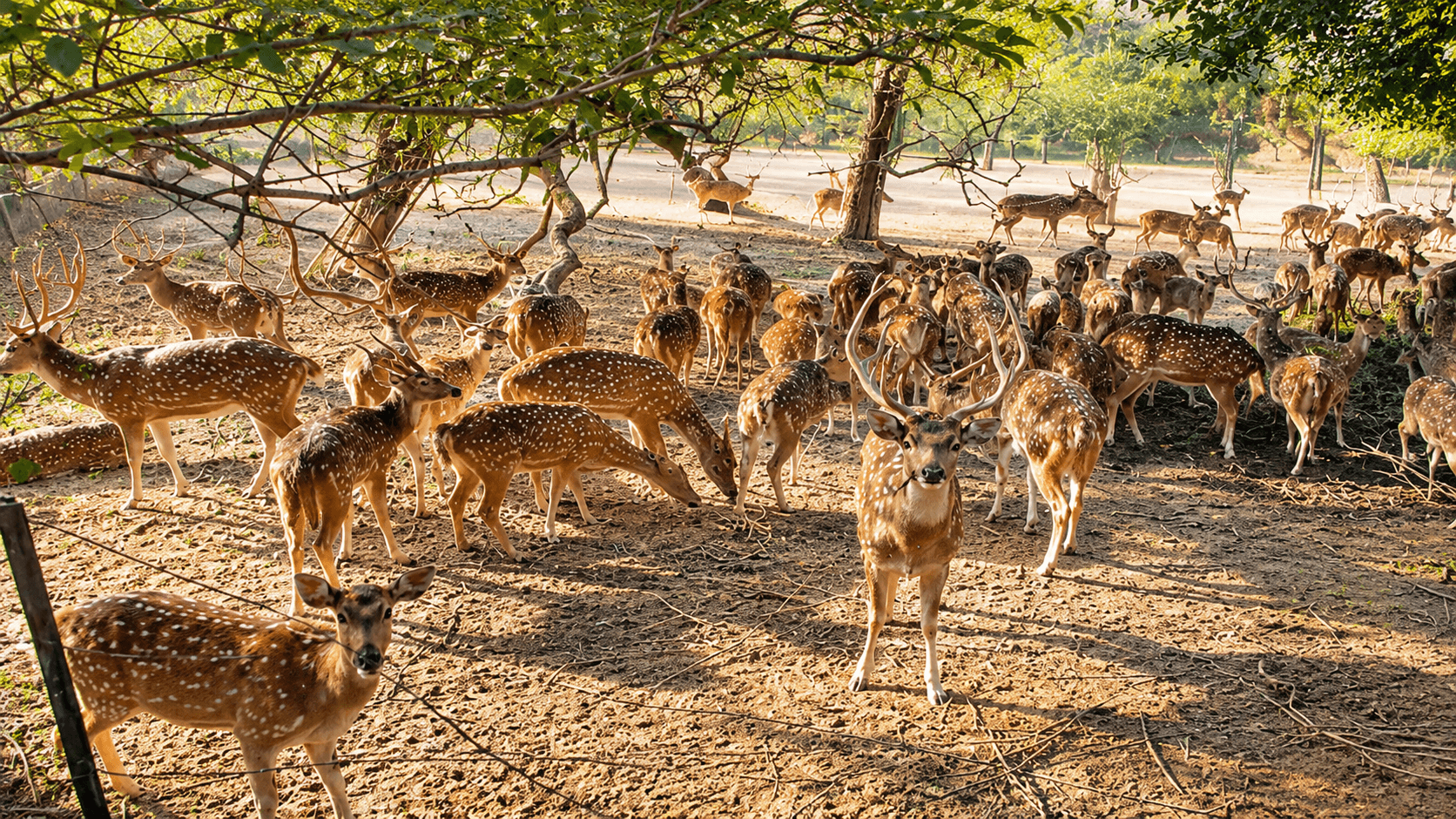
If you only have one free morning, give it to Deer Park. It covers about 60 acres in Hauz Khas, opens at 5 AM and has no entry fee. Spotted deer graze in an enclosure near the centre, peacocks wander the paths without much concern for visitors, and rabbits turn up near the fenced sections. The paths are wide, shaded and mostly flat, which is why you'll see retired couples doing slow laps next to college students on their phones.
Go before 8 AM if you can. By then the light is soft, the joggers are on their second round, and the deer are still active. After 10, the heat settles in and the animals tend to retreat into the shade. The park closes in the evening, around 8 PM in summer, though winter timings can shift, so check at the gate.
From Deer Park, the western edge opens straight toward Hauz Khas Village. You can walk it in a few minutes, which makes this the easiest pairing on the list.
HAUZ KHAS FORT AND THE OLD RESERVOIR
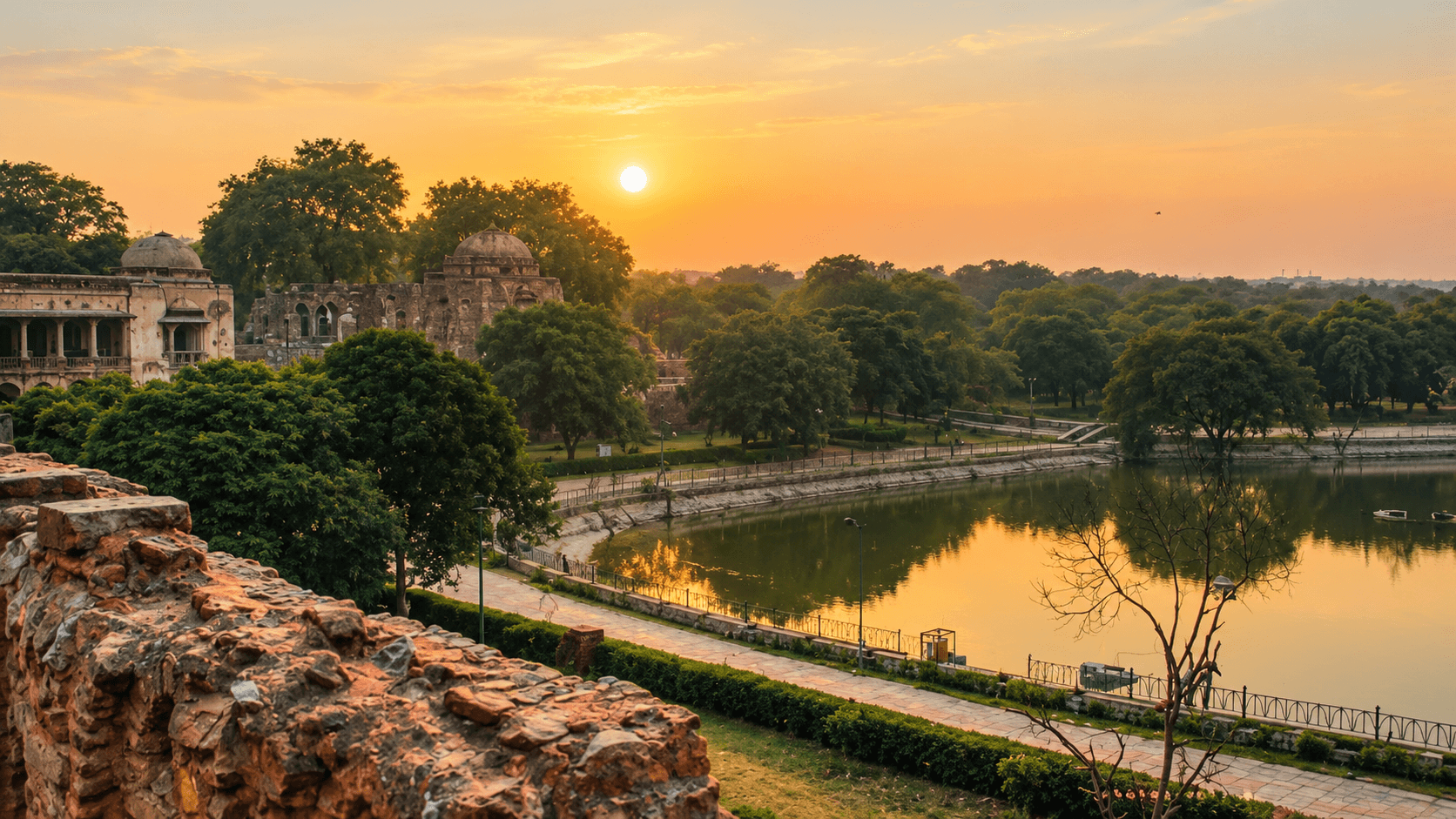
Most visitors know Hauz Khas for its cafes and boutiques. Fewer walk past them to the ruins behind. The complex dates back to the 14th century, built around a large water tank and a cluster of stone domes and pavilions along its edge. You climb a few steps, pass through a low gateway, and the noise of the village drops away.
The view from the upper level is the reason to come. You look down on the tank, the trees around it, and the deer enclosure beyond. It's also one of the better spots for photography in the area, especially an hour before sunset when the sandstone turns a warmer shade.
If you plan to eat in Hauz Khas Village afterward, keep in mind that the lanes get crowded on weekend evenings. Weekday afternoons are easier for finding a table with a view of the lake.
SAFDARJUNG TOMB: THE LAST OF ITS KIND
A short metro ride north of Green Park, near Jor Bagh, stands Safdarjung's Tomb. It was built in 1753 to 1754 for the Mughal viceroy of Awadh and is considered the last major garden tomb of the Mughal era in Delhi. The layout follows the charbagh pattern, with four quadrants divided by water channels, much like Humayun's Tomb but on a smaller and quieter scale.
Here's what travelers usually notice first: it's rarely crowded. Tour groups tend to head for Humayun's Tomb or Qutub Minar, so you can often stand in front of the main dome with just a few other people around. The tomb needs a small ASI ticket, and rates for Indian and foreign visitors differ, so confirm the current price at the counter. Visit timings are generally sunrise to evening, though sources vary slightly, so check before you leave.
One thing many visitors miss is the lawn on the eastern side, where local families sit in the afternoon. It's a good place to rest for ten minutes before moving on.
LODHI GARDEN: WHERE DELHI SLOWS DOWN
From Safdarjung's Tomb, Lodhi Garden is a short auto or cab ride away. It spreads across roughly 90 acres between Khan Market and the tomb, with the domed Bara Gumbad at its centre and several Lodhi-era and Sayyid-era tombs scattered between the trees. Entry is free, and the garden opens early in the morning and closes in the evening.
October through March is the best time to go. The air is cooler, the lawns are green, and the paths fill with walkers, yoga groups and photographers in the first two hours after opening. The Bara Gumbad catches the morning light well, so arrive before 9 AM if you want clean photographs without a crowd in the frame.
If the garden feels too busy, walk toward the less crowded corners near the smaller tombs. You'll usually find a bench in the shade and, if you wait a minute, a squirrel or two begging for whatever you're eating.
QUTUB MINAR, IF YOU HAVE HALF A DAY
Qutub Minar sits a few metro stops south on the Yellow Line, followed by a short auto ride. The 234-foot tower is a UNESCO World Heritage Site and deserves a proper visit rather than a rushed one. Go in the late afternoon, when the stone glows and the heat has dropped. It's a different kind of day from the garden walks, so don't squeeze it in on the same morning as Deer Park and Hauz Khas.
WHERE TO EAT: LOCAL FOOD NEAR GREEN PARK
The food around Green Park splits into three zones, and each has its own personality.
Yusuf Sarai Market is the one to visit first. It sits just outside Gate 1 of the metro station, and one of the better-known stops is Kuldeep Paranthe Wala, a small eatery known for gobi and paneer paranthas. Order two, ask for curd on the side, and eat standing up if there's no table. It costs a fraction of what you'd pay in Hauz Khas Village.
Green Park Market, closer to the main road, is where you'll find sit-down restaurants. Evergreen Sweets is a long-standing name for mithai and snacks. Adyar Ananda Bhavan serves South Indian meals, so it's useful if you want a lighter lunch after a morning of walking. For something regional, Nagaland's Kitchen at Green Park serves food from the northeast, which is harder to find in other parts of South Delhi.
Aurobindo Market, a quieter stretch nearby, has a mix of boutiques, small cafes and the Midland Book Shop, a bookstore that regulars love for browsing. It's a good place for an unhurried afternoon, and tea works better here than a full meal.
Along Sri Aurobindo Marg near Yusuf Sarai, dhaba-style places like Sona Restaurant and Jhatpat Restaurant offer North Indian thalis and fixed meals at modest prices. Opening hours at smaller places change often, so call ahead if you're planning around a specific time.
A ONE-DAY PLAN THAT WORKS
If you want a route that doesn't waste time in traffic, this one has worked well for first-time visitors:
- 6:30 AM: Deer Park, walk the main loop and see the deer enclosure
- 8:30 AM: Parantha breakfast at Yusuf Sarai Market
- 10 AM: Metro to Jor Bagh, then Safdarjung's Tomb
- 12 PM: Lodhi Garden, short walk and shade
- 1:30 PM: Lunch at Khan Market or back at Green Park Market
- 4 PM: Hauz Khas Fort and the lake, then coffee in the village
- 7 PM: Evening tea or dinner in Green Park Market
Shift it around depending on the weather. In summer, move the outdoor stops to early morning and late afternoon and spend the middle of the day indoors.
WHERE TO STAY WHEN YOU PLAN THIS TRIP
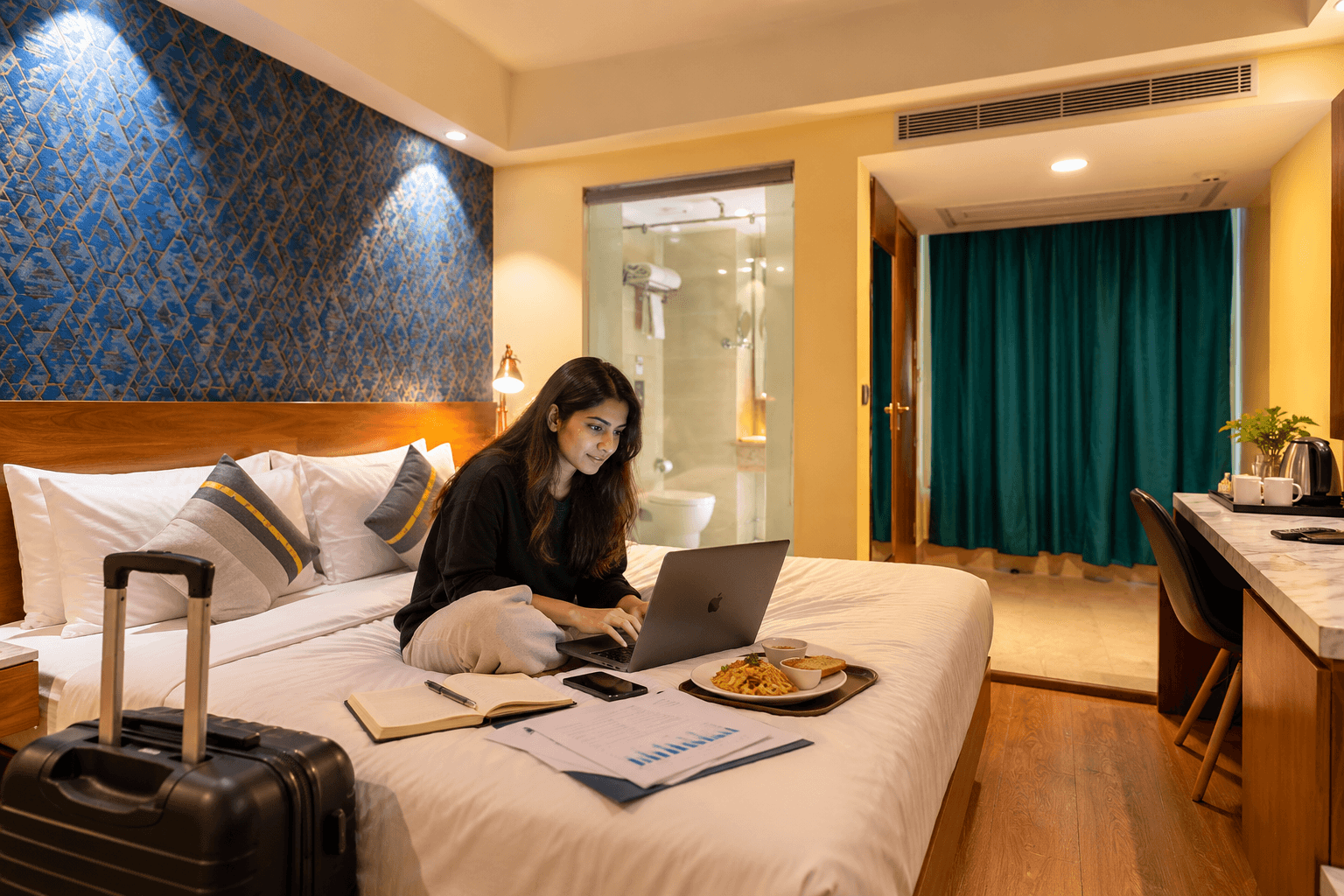
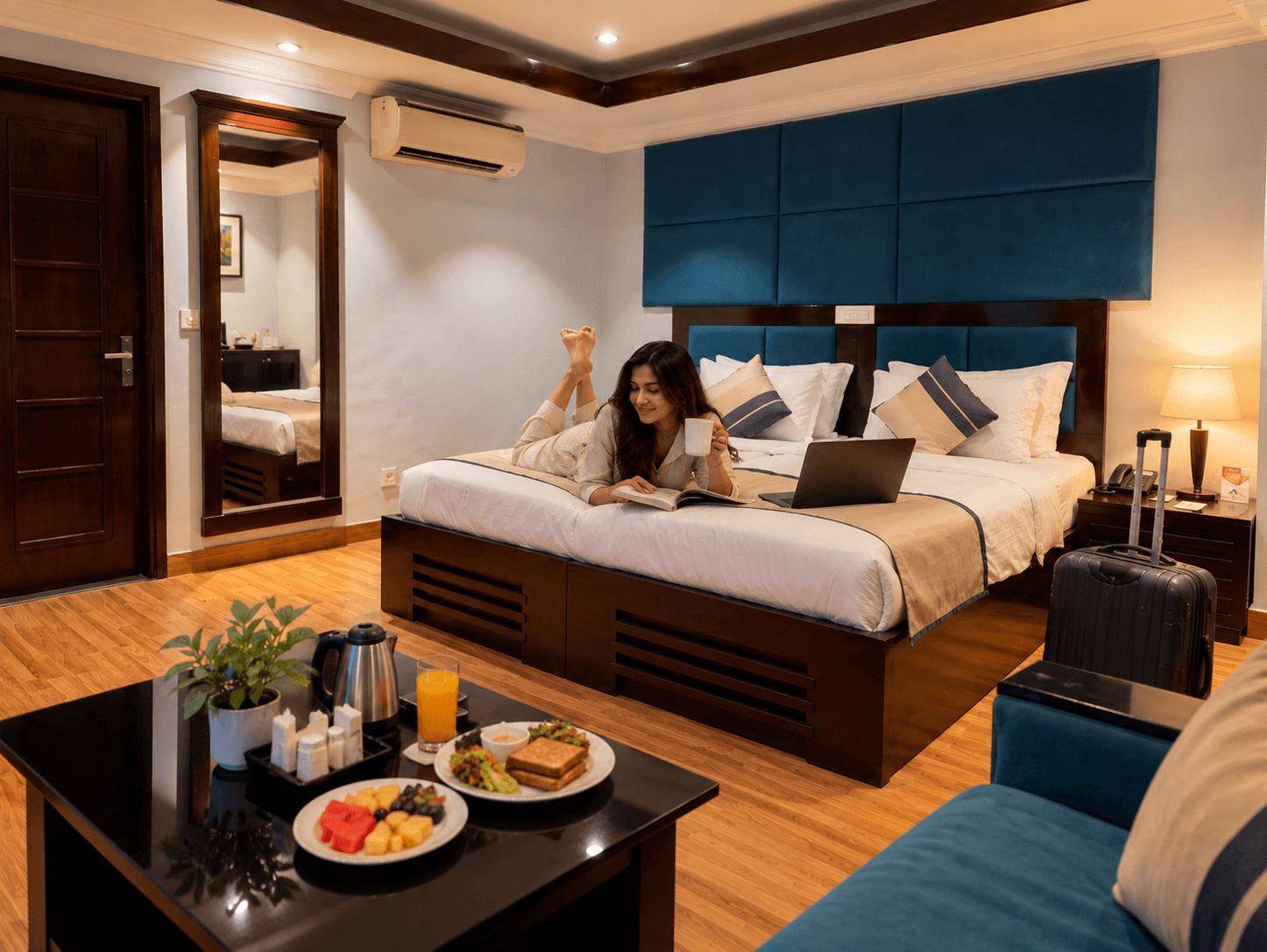
Staying close to the metro saves more time than staying close to any single monument. Green Park Metro Station is on the Yellow Line, which links Hauz Khas, INA, Central Secretariat and Rajiv Chowk without a change. Travelers who base themselves around W Block and Arjun Nagar, including at asar Elite Green Park by Orion Hotels, are about a 10-minute walk from the station, and Deer Park is a few minutes away. The area is also close to Safdarjung Hospital and AIIMS, so you'll find families and patients' relatives staying here alongside tourists, which keeps the neighbourhood active at odd hours and the food stalls open late.
PRACTICAL TIPS BEFORE YOU GO
Carry cash for small eateries in Yusuf Sarai. Many places take UPI, but a few counters still prefer notes during peak hours.
Wear shoes you can walk in. Deer Park, Lodhi Garden and the tomb complexes involve a lot of walking on gravel and grass.
Check weather before visiting in July and August. Monsoon rain can turn the garden paths muddy and the fort steps slippery.
Keep an eye on Delhi's air quality in November and December. On heavy-smog days, outdoor walks are less pleasant, and indoor stops like museums become the better choice.
A LAST THOUGHT
Stay three or four mornings and you start recognising faces: the same walkers at Deer Park, the same man pouring tea outside the market, the same dog asleep near the metro gate. Green Park doesn't announce itself the way Connaught Place or Old Delhi does. It works on you slowly, one quiet walk and one plate of parantha at a time, and by the third day most people stop asking what to see next and simply start walking.